Institute for Advanced Analytics and Society
Institute for Advanced Analytics and Society
Solutions at the Intersection of Data and the Public Interest
The Institute is dedicated to advancing the design and application of machine learning, artificial intelligence and advanced statistical analysis to address complex public‑interest challenges facing our communities. Our work blends foundational research with applied innovation: modernizing how large scientific and operational datasets are integrated while creating practical tools that support decision‑makers at every level. As the demand for resilient digital infrastructure grows, our research portfolio continues to expand, bringing forward new capabilities in ocean science, cyber operations, digital forensics and large‑scale information systems.
Our Programs
The Institute’s research programs address a variety of areas related to data and the public good through the development of:
- Large‑scale data integration by developing modern architectures capable of unifying autonomous vehicle data, visual‑sensor collections and extensive ocean science datasets. Recent initiatives such as Aquaview extend this mission by transforming fragmented scientific metadata into a unified enterprise resource, improving transparency, interoperability, and long‑term stewardship for national environmental information systems.
- Novel applications of machine learning in the health sciences, using advanced models to identify impactful health interventions, analyze social determinants of health, and surface patterns that support community well‑being. These efforts aim to strengthen evidence‑based public health practices and equip practitioners with data‑driven insights that improve outcomes at scale.
- Advanced analytics within homeland and national security, developing capabilities that support operational readiness, risk mitigation and digital resilience. Collaborative work with organizations such as the National Center for Spectator Sports Safety and Security (NCS4) enhances safety in high‑density public environments, while new programs in cyber defense, adversarial simulation, and digital‑forensics capacity building such as the Rural Digital Forensics Initiative expand the nation’s ability to investigate digital evidence and respond to emerging threats.
Funding
Researchers brought in over $10 M in competitive external funding in 2024 - 2025.
Tech
Since being established, The Institute has developed advanced, scalable technologies that integrate complex scientific data, power large‑scale AI research, and deliver sophisticated cyber training systems. Together, these innovations strengthen national data infrastructure, expand digital‑forensics capacity, and elevate both offensive and defensive cybersecurity capabilities across diverse operational environments.
Novelty
Providing novel open - source solutions for police and security professionals, academic researchers, federal and state agencies, commercial and industrial organizations, and public-sector scientific communities.
Recent Highlights
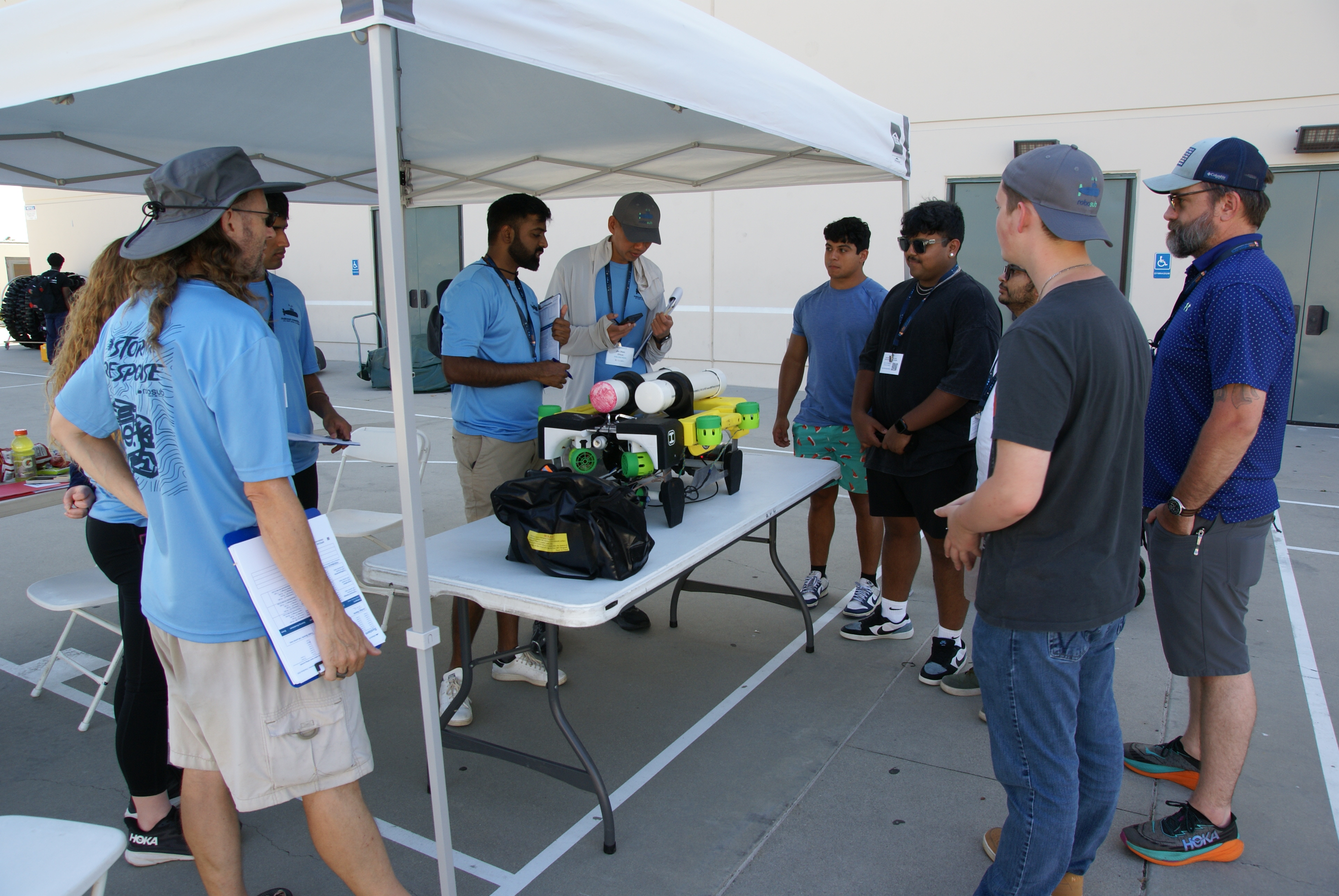
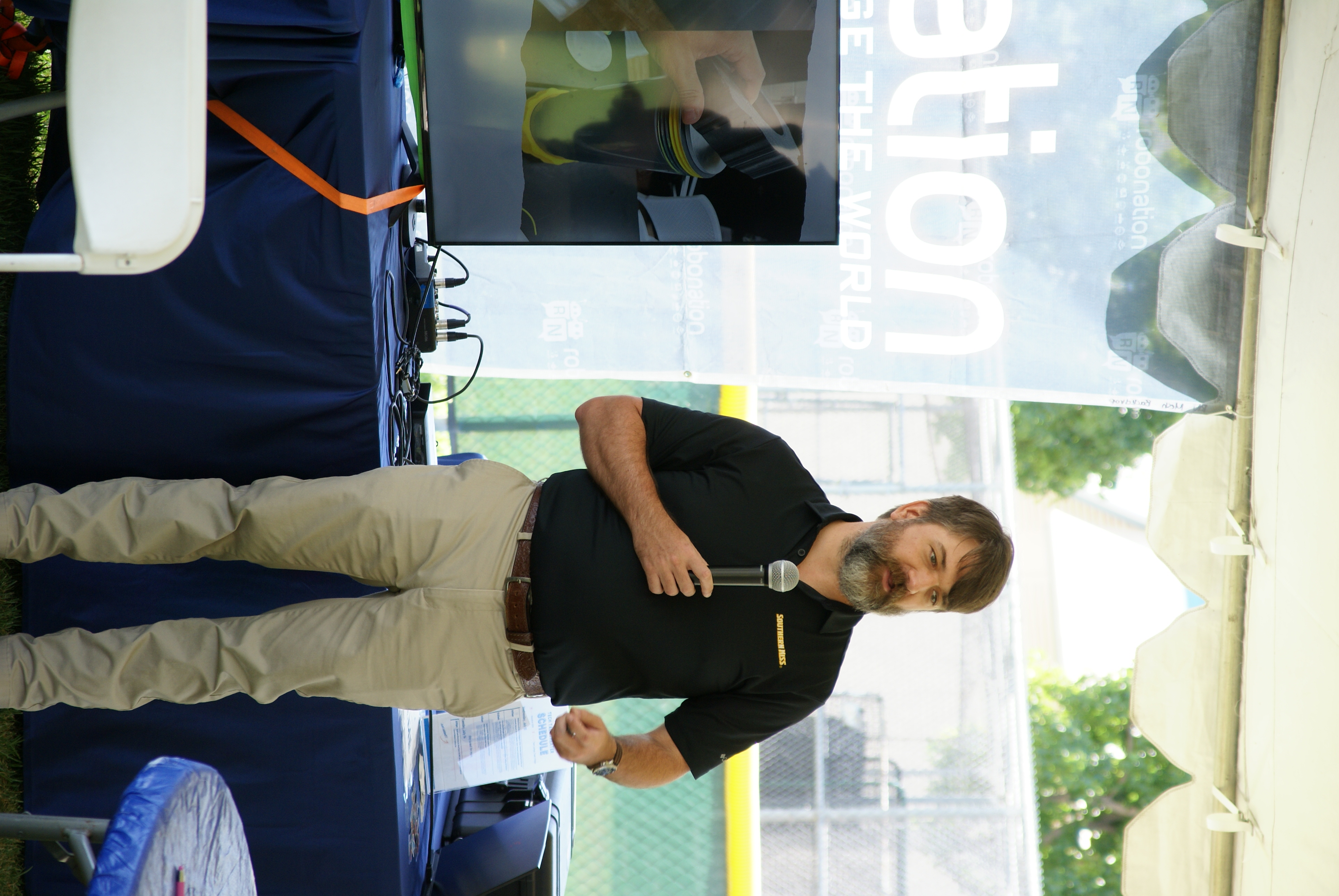
Students from The University of Southern Mississippi’s School of Computing Sciences and Computer Engineering and School of Ocean Science and Engineering advanced to the semifinal round at RoboSub 2026 and earned a BlueRobotics Award for innovation in autonomous underwater vehicle (AUV) design. The international competition, held July 11–16 in Irvine, Calif., featured 58 teams from nine countries and challenged students to build autonomous systems capable of completing complex underwater tasks.
The Southern Miss team competed with a fully student‑built AUV and was the only Mississippi team represented at the event. The project was supported by the Institute for Advanced Analytics and Society (IAAS), which initiated the RoboSub team to connect high‑performing students and faculty across computing and ocean engineering. Students also delivered a TechTalk at the competition, sharing lessons learned from building an AUV for the first time.
Southern Miss’ success was strengthened by industry partners who contributed specialized components and engineering support. The BlueRobotics Award includes two professional‑grade thrusters that will support the team’s next round of upgrades and expand autonomous capabilities for upcoming demonstrations. To learn more about the team’s performance, partners, and competition, click here.